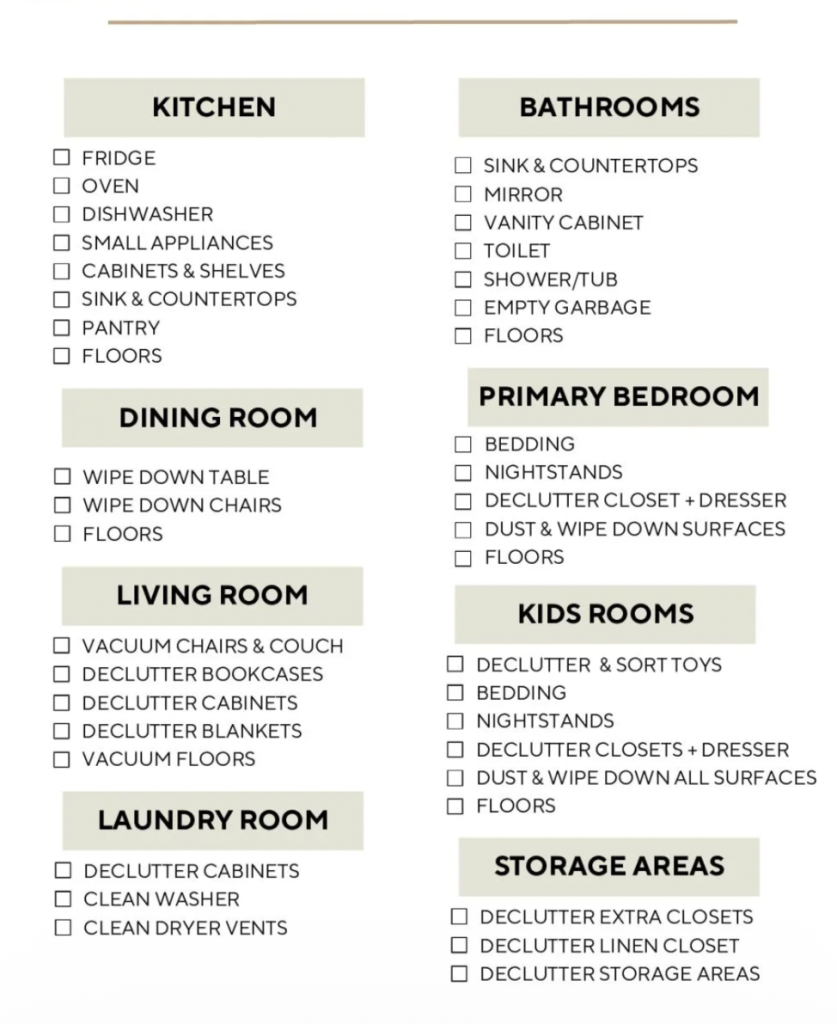
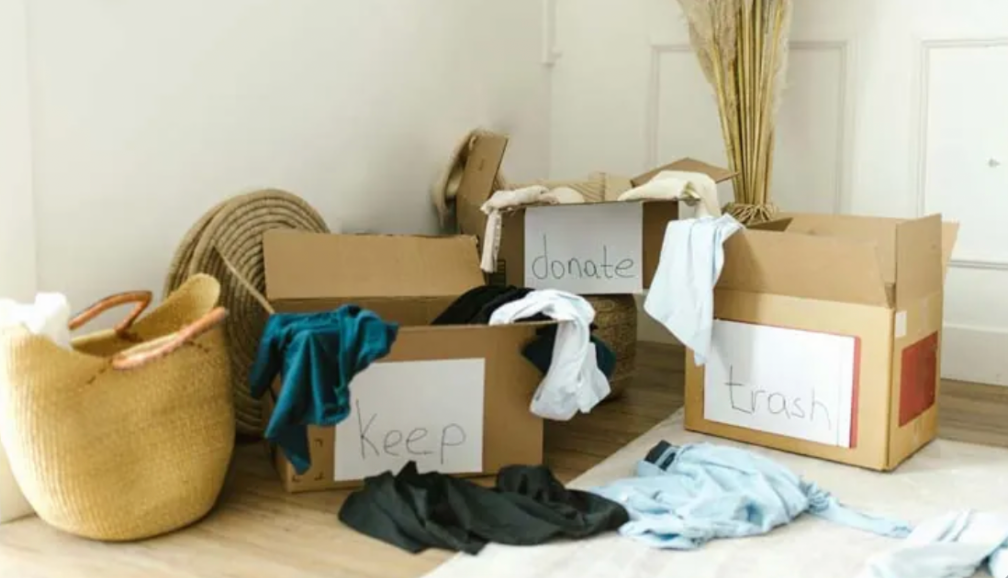
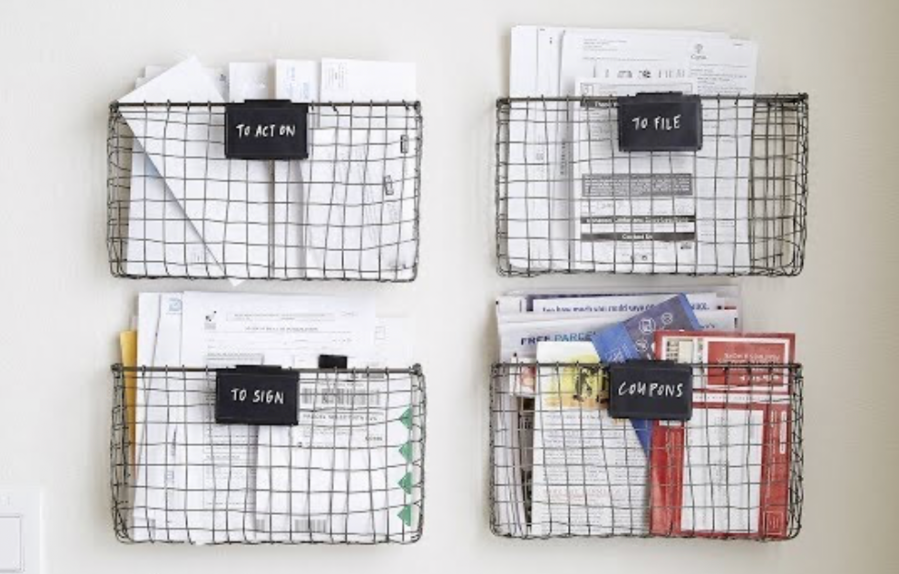
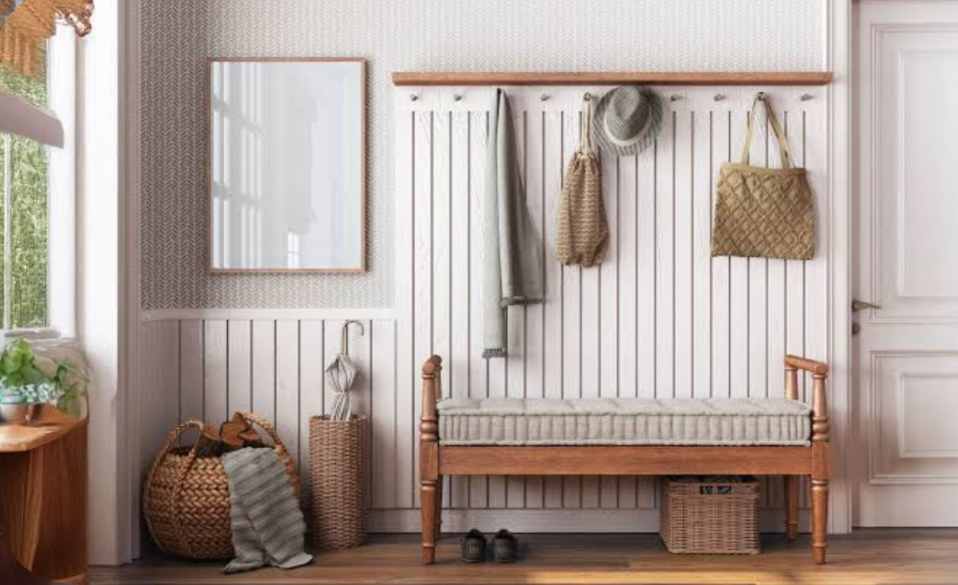
Effective Decluttering Habits for Families That Actually Stick April 7, 2026 by Clara Monroe Developing decluttering habits that stick is beneficial for families looking to keep their homes organized, because when you work together as a unit, you reduce the stress of lone members ruining your efforts. With the effective decluttering habits for families listed in this guide, you’ll see that home organization isn’t the result of one-time cleaning projects but an ongoing process. The family home organization tips in this guide cover everything from developing simple routines to shared responsibilities and practical maintenance systems for keeping homes spotless. lo Here are the organized family home ideas that’ll help you improve and upgrade your lifestyle. Table Of Contents Show Spot the Habits and Spaces That Create the Most Clutter Start Small With Decluttering Habits That Feel Easy to Maintain Get Kids and Partners Involved Without Making It a Battle Set Up Simple Storage Systems Everyone Can Follow Build Daily Routines That Prevent Clutter From Returning Create Smart Clutter Zones for Different Rooms Entryways Living rooms Kitchens Bedrooms Playrooms Shift the Family Mindset Toward Less and Better Celebrate Progress So the Habits Keep Going Conclusion Spot the Habits and Spaces That Create the Most Clutter High-traffic areas are common home clutter hotspots Before creating a solution that works, you must properly identify clutter habits that make your home messy. Most family clutter problems start with small daily habits that build into messy situations. Did you know there are clutter hotspots at home? That’s right. Certain rooms and spaces are messy home problem areas by design. You’ll be able to identify them by noting the areas that have the most stuff and the highest traffic in your home. Clutter hotspots include your kitchen counters for daily cookers, toy bins in toy rooms for families with kids, random drawers for storage, entryways, and even living rooms for avid hosts. Now that you know the problem areas, we can begin working on the habits to help you declutter. Start Small With Decluttering Habits That Feel Easy to Maintain Having a daily routine makes decluttering easier Because most habits build up over time, it’s best to start with small decluttering tasks that are easy to maintain. When you start small, there’s less pressure, and you can keep up with a reward system for each measurable win and quickly develop easy decluttering habits. Pacing yourself with these simple home-organizing habits is more practical than overwhelming your family with heavy, one-time overhauls. See also Declutter Checklist: Room-by-Room Guide to a Lighter Home - Print This - Tips Ideas InspirationSome easy beginner family decluttering tasks include: Daily Routines: Set a time for returning items to their proper storage spots in the morning and evening. It can be 10 minutes after you wake up or 10 minutes before you go to sleep. In & Out Rule: For every item that leaves the storage space, another must go in. This way, no two unnecessary items are out at the same time. Return Box: Place each borrowed item in a separate box to remind yourself to return it to the owner after use. Having a routine builds consistency, which is the foundation of habits. Get Kids and Partners Involved Without Making It a Battle Kids would enjoy decluttering if you make it fun Developing family cleaning routines can be scary because you wouldn’t want to offend anyone or overload a particular member with work. So, here’s how to involve family in organizing without making it a battle. Age-Appropriate Activities: Split tasks and responsibilities based on each member’s capacity, skills, and age. When decluttering with kids, you can give toddlers the task of resetting toys, while adolescents can rearrange living rooms, and teenagers can handle larger tasks. Games and Music: Make cleanup games like timing each activity and setting a reward for the winners. You can also include music to make it less tiresome. Teamwork: Work together at a designated time to involve everyone at once so that no one feels left out or overloaded. One or more of these teamwork decluttering ideas would foster unity in your home if you can commit to it. Set Up Simple Storage Systems Everyone Can Follow Labeled boxes make decluttering easier Resetting items only works when there are practical, designated family storage systems to keep them. You can incorporate simple home organization ideas, such as labeled bins, shelves, and baskets, for this Purpose. Using labeled, accessible bins for families makes tidying natural because each member knows where every item belongs. When you do this, however, ensure that your clutter control systems are simple enough to use daily and flexible enough to grow with changing family needs. Build Daily Routines That Prevent Clutter From Returning You can organize your mail by type or by the names of family members Having a daily decluttering routine is the most effective way to maintain a clean and organized home. Let’s expand on some of the family tidy habits highlighted earlier. Evening Resets: After dinner, take out 10 – 20 minutes to reset all items used during the day. This includes plates used for eating, toys for playing, clothes worn, and the like. Mail Sorting: Before leaving for the day, take time to sort your mail. You can make a shelf labeled with each family member’s name and set their mail in individual slots. See also Decluttering Clothing Simplified: Easy Steps to Build a Clean, Confident, Minimal WardrobeThese are simple daily home reset ideas, but with consistency and occasional deep-cleaning bursts for bigger organization, you’ll keep your home clutter-free. Create Smart Clutter Zones for Different Rooms Designated storage spaces keep your home organized Once you identify clutter zones in the house, you’ll understand that each area needs its own unique approach based on usage. You have to be practical when you organize family rooms, but also keep the routine fun and natural to encourage consistency. Here are some room-by-room decluttering tips to help you contain and manage clutter in each area of your home using smart zones. We’ll start with low-clutter areas like entryways and living rooms and end with high-traffic areas like the kitchen, bedroom, and playroom. Entryways Make your entry to the exit zone for easy flow Create an Entry, Drop, and Exit zone. Entry zone hangers and hooks keep your coats, hats, bags, and shoes organized. Drop zone trays hold your keys and wallets, while the Exit zone basket holds items that are to leave the house, like returns and donations. Living rooms Use a coffee table and remote organizer to arrange your magazines and remotes. Set up a reading nook in the corner and store your blankets in a covered bin for storage when not in use. Keep an open bin in the corner for toys if you have kids. Kitchens Set up your kitchen based on your daily rituals. It’s best to separate beverage and cooking zones. Keep your condiments and cookware closer to your stove, while your beverages and cups can stay closer to the kitchen entry point. Bedrooms Split your bedroom into the prep and rest zones for your morning and night routines. Have a bedside table to hold your night lamp, books, water bottles, and a drawer for your phones, and the like. Keep your grooming tools in your vanity drawer, and hang a hook for clothes you’re not ready to launder. Let go of the “Chair”. Playrooms Finally, for playrooms, separate your kids’ toys by function to create defined zones. See also Simple Spring Cleaning Tips To Refresh, Declutter, and Deep Clean Your Home With EaseYou can have an arts & craft station for creative toys, a construction station for building blocks, a roleplay nook for dress-up and imagination games, an open center for active play, and a quiet corner for reading and resting. Keep a bin for neglected toys so that you can donate them as you upgrade your kid’s toys or store them for the next kids. Shift the Family Mindset Toward Less and Better Minimalism saves money and space Champion a minimalist family lifestyle where usefulness, space, and peace become the priority. You don’t have to get everything if it’s not necessary, as more stuff leads to clutter. So, keep things simple and reduce household excess by encouraging family members to donate old items when they replace them. This decluttering mindset shift will also improve your finances because, by managing your shopping habits, you’ll learn that not everything you desire needs. And with intentional family living, every item becomes useful and worthy of proper care. Celebrate Progress So the Habits Keep Going Always track your progress Recognizing small wins helps keep motivation high and prevents feeling like decluttering is endless or frustrating. You can track your family’s decluttering success with a leaderboard for the member who does the most tasks, or Celebrate organizing progress with gifts or rewards like extra screen time for kids or an upgrade for a well-maintained device or tool. When there’s measurable progress and a reward system, it’s easy for every member to stay motivated to declutter. Use these decluttering motivation tips to encourage your family to keep up this new habit. Conclusion Hopefully, you enjoyed reading this family decluttering guide and will implement one or two of the tips you learned to develop better-organized home habits. These peaceful family home tips will only be effective with consistency, and it’s best not to chase perfection in the early days. Instead, focus on steady, small wins with repeatable habits until they become natural to you and your family. You’ll notice as time goes by that the decluttering routine for families improves each member’s lifestyle and upgrades your existence as a unit. Remember that shared effort can make a noticeable difference in how your home feels and functions. Don’t leave the work to just one person. Teamwork makes the dream work. Article By Clara Monroe Hi, thanks for stopping by! A little about me, as you can surely tell I’m passionate about home decor, DIY projects, and making spaces feel cozy and beautiful without the stress or high price tags. My goal is to share practical, stylish, and budget-friendly ideas to help you create a home you love. Let’s make decorating fun and inspiring! ✨ This article may contain affiliate links (disclosure policy).






 Skip to content