
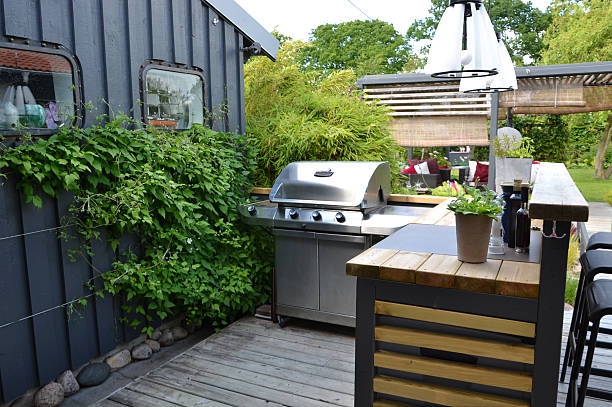
An in-depth guide on how to design a functional yet cozy garden-to-table indoor-outdoor kitchen setup that connects fresh garden harvests to your dining experience.
How to Set Up a Garden-to-Table Kitchen Styling
Growing food in a personal garden is one of the most rewarding lifestyles for healthy living, and it’s even better with an optimized farmhouse vegetable garden layout.
Transporting your harvest from the garden to your kitchen can be easy and even become an enjoyable activity to anticipate.
If you’re wondering about how to set up a garden-to-table kitchen styling without breaking the bank, you’re in the right place.
Before we dive into details like layouts, transitioning, cozy designs, potted citrus plant corner styling tips, integration, and maintenance, you should get a glimpse of what to expect from this upgrade.
We’ll open this guide by summarizing the benefits of a garden-to-table outdoor dining setup and why you should consider adopting it.
The Benefits of a Garden-to-Table Lifestyle
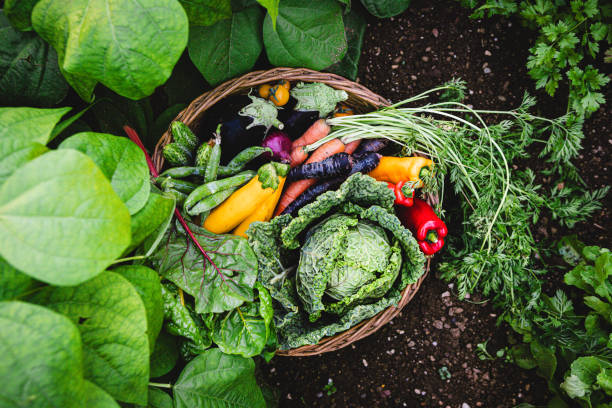
Investing in a garden-to-table lifestyle improves food freshness, reduces waste, and boosts a closer connection to the food you eat. Let’s look closer into the benefits of developing sustainable food habits.
Improves Freshness
A garden-to-table lifestyle allows you to get the first pick of every harvest. You can then enjoy so many fresh produce benefits like
You can also use homegrown ingredient tips to boost growth and infuse flavors.
- Plant herbs with peppers
- Rely on seasonal planting for choice vegetables
Reduces Waste
Reducing transportation costs and time spent moving food from a nearby garden to the kitchen has a significant positive impact on the environment. You reduce carbon footprint, support the ecosystem, and reduce food wastage from excess harvests.
Closer Connection to Food
Being in control of your garden means that you determine what fruits and vegetables to grow. This control builds a closer and deeper connection to your food than just choosing what to cook.
Get creative and explore seasonal cooking ideas, such as growing spinach in the winter and tomatoes with herbs in the summer, to help you appreciate flavors and enjoy your food better.
How to Plan a Farmhouse Vegetable Garden Layout
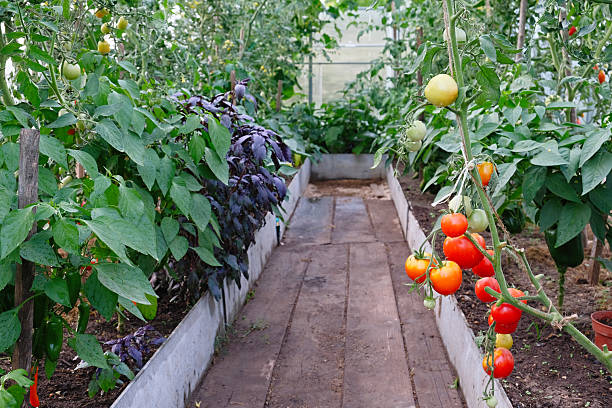
Now that you’re ready to improve your lifestyle, you must start with a practical farmhouse vegetable garden layout. Our goal is to maximize your space and productivity without compromising on style and aesthetics.
Garden Assessment
Measure your available space and mark the fixtures from the fittings. Both natural and fixed decor so that you can work around it instead of wasting resources to uproot them.
Here, you can use a raised bed arrangement as an illusion of largeness in cramped spaces.
Author’s Note: Check out our post Rustic Garden Furniture Styling Ideas for cozy outdoor charm with upcycled touches!
Zone Designation
Assign zones based on gardening purpose, like the vegetable and herb zone, the flowering plants zone, and the legumes zone.
Use a companion planting guide to help you assign zones better, as some fruits, herbs, and flowers can thrive in the same zones. A prime example is marigolds with tomatoes and basil plants.
Pathway Integration
Because your garden needs maintenance and attention, you must incorporate a practical pathway within the zones. Feel free to explore different themes ranging from modern to cottage, vintage, farmhouse, and rustic garden pathways.
How to Transition from Garden to Outdoor Dining
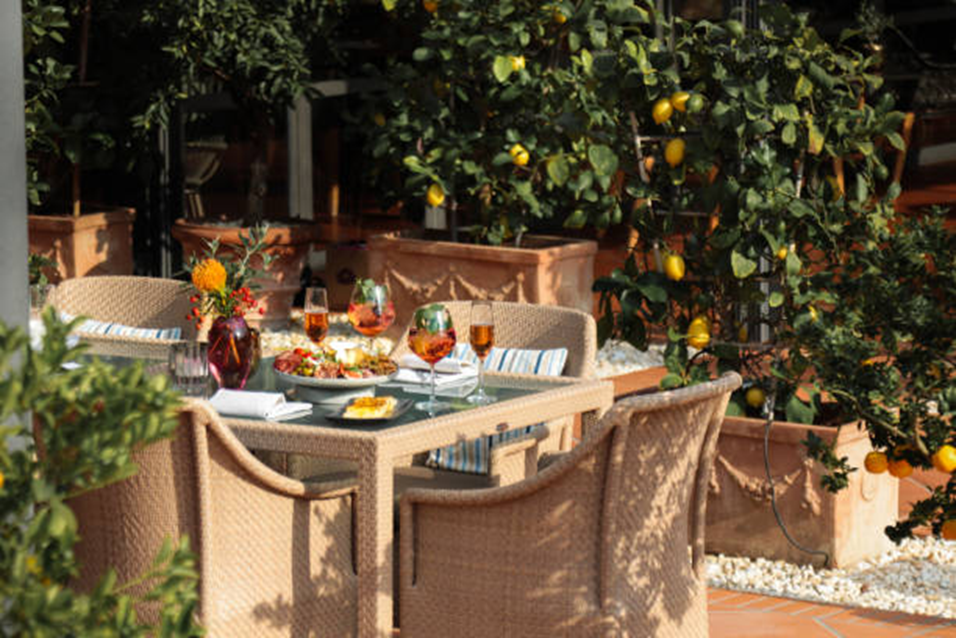
Think of your garden-to-table outdoor dining setup as an art. Basic outdoor table styling tips follow the natural flow of the activities involved in this lifestyle, from harvesting to meal prep and food service. So, let’s discuss the transitions.
Harvesting
Observe your garden and wait until the produce is ripe. Watch for green leaves and bright, plump colors as signs of ripeness, then pluck the fruits from the branches. Place your fresh produce in a basket and move to the kitchen.
Meal Prep
Always design a menu before cooking to reduce time spent worrying about what to eat and wasting excess raw materials.
That’s why seasonal menu planning is the best option. It allows you to cook what’s already in season and grows easily.
Food Service
Finally, use an al fresco dining decor for an inviting outdoorsy setup. You can easily serve food prepared in the outdoor kitchen at the dining table and clean up immediately after eating.
If you’re wondering what an al fresco design means and how you can spruce it up for a cozy vibe, the next part is for you.
Cozy Design Touches for Garden Dining Areas
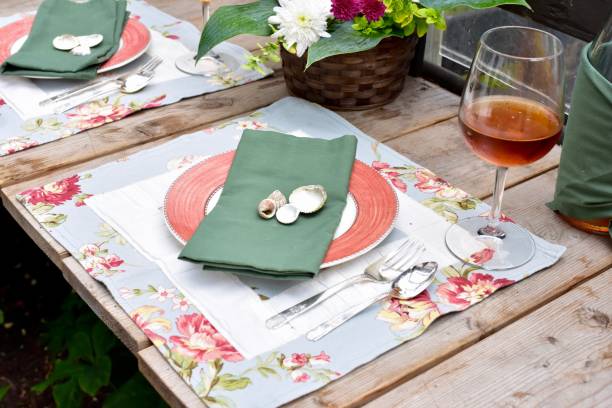
Your farmhouse table styling can be simple yet elegant and exquisite, depending on how well you combine each decor piece. Options for inviting decor vary from tablecloths to accessories.
Lighting
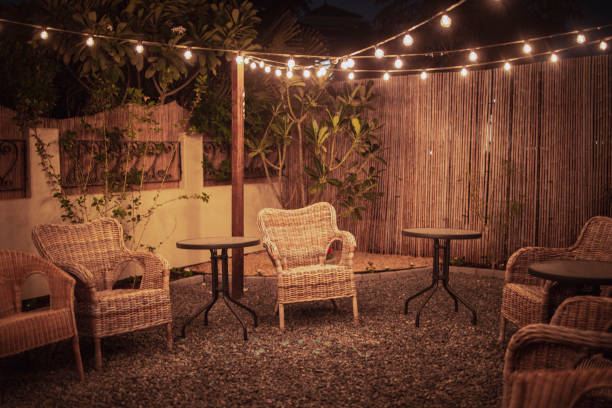
Cozy outdoor lighting is the easiest way to introduce warmth into any space, and garden dining areas aren’t different. Use string lights with warm-toned bulbs to create a firefly effect or lanterns for a rustic aura.
Table Linens
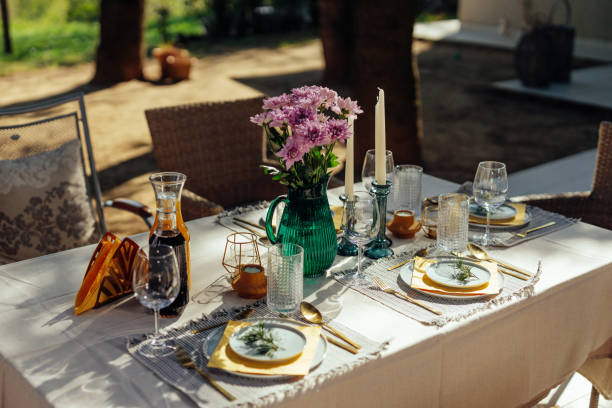
Layering is your best friend when going for a cozy vibe, and table linens help to achieve this. They come in different materials, prints, and designs, so you have options.
Next up, use placemats to give each person at the table a personalized spot. For the third layer, add a textured placemat made of wood, steel, or plastic.
Finish your al fresco dining style with a centerpiece that ties each individual piece together.
Try rustic table centerpiece ideas like wooden vases/planters with fresh flowers from the garden and candelabras.
Accessories
Another shortcut to outdoor dining style is by using vintage dining accessories. They’re typically made of natural materials like sturdy wood, steel, and ceramic.
Accessories can be small centerpieces or large corner pieces like potted plants.
Author’s Note: Check out our post Chaos Gardening Meets Cozy Patios the new backyard trend with beds And relaxed styling!
How to Style a Potted Citrus Plant Corner
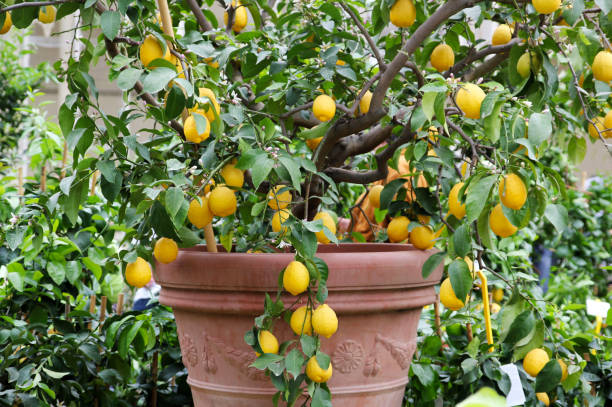
When you think of decorative planters for patios to add freshness, fragrance, and charm to your garden-to-table space, citrus plants stand out. Choose the dwarf species for container citrus growing to properly enjoy its presence in your outdoor space.
Now, use these potted citrus plant corner styling tips to maximize efficiency:
Choose the Pot
Get a pot that’s at least ~16in (~40cm) wide per average dwarf citrus plant. Big pots accentuate dwarf species, but sizing isn’t the only thing to consider. The pot material is also relevant in preserving the soil and your plant during certain seasons. Use glazed pots to retain moisture and add to your dining area’s aesthetic appeal.
Add a Drainage System
Choose a pot with holes for easy drainage that prevents root rot in the long term.
Add Accessories
Suspend your pot on a stand to add to its height while elevating your surrounding aesthetic, especially if your planter is plain.
Focal Point vs Grouping
Depending on your outdoor space, your citrus planter can be a single or group focal point. Place single potted citrus plants in the corners or small outdoor dining patios. While large areas would look better with a cluster of small citrus plants.
Pest Control
Incorporate fruit tree care tips, such as adding organic pesticides and companion planting, to discourage pests and rodents from damaging your citrus plant.
Indoor-Outdoor Kitchen Integration
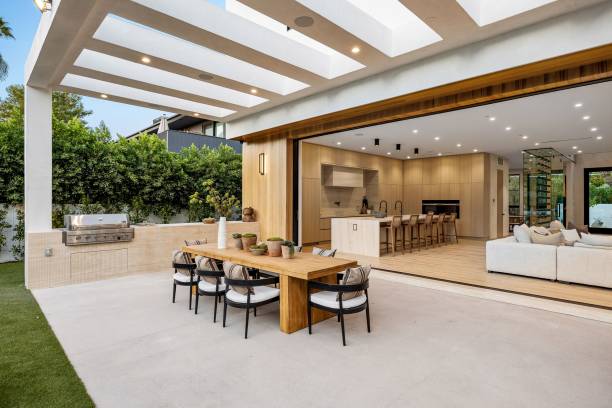
Connecting indoor kitchen spaces with your outdoor garden and dining area for seamless ingredient access and efficient meal prep requires careful planning.
Every feature matters, especially the ones that connect the indoors to the outdoors. So, here are some indoor-outdoor kitchen ideas that seamlessly connect both parts.
Doors
Instead of an open plan, use sliding garden doors to connect your kitchen to the outdoor area. It gives you the option of leaving it open when active and closing it when you’re done with eating and cleaning.
Cabinets
Add cabinets and refrigerators outdoors to store your garden and dining tools for easy access. Some garden produce storage tips to help you keep your food fresh include:
- Keep fruits and vegetables on separate trays
- Keep vegetables in the refrigerator crispers
- Use paper bags to keep mushrooms fresh
- Keep berries in breathable containers
- Keep proteins in chillers
Display Stations
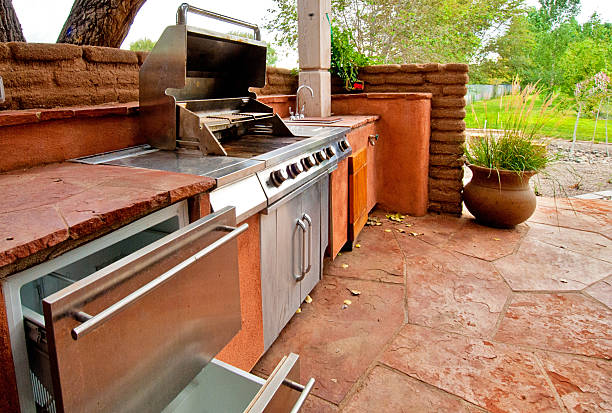
Add a wall-mounted kitchen herb station to your layout to staple condiments outdoors. It adds a certain charm to your dining area, rather than leaving it bare and boring.
Painting
A well-coordinated color palette ties your indoor-outdoor dining area together. Use complementary colors or a monochrome theme to create a seamless blend that shows both areas as parts of a whole.
How to Maintain Your Garden-to-Table Space Year-Round
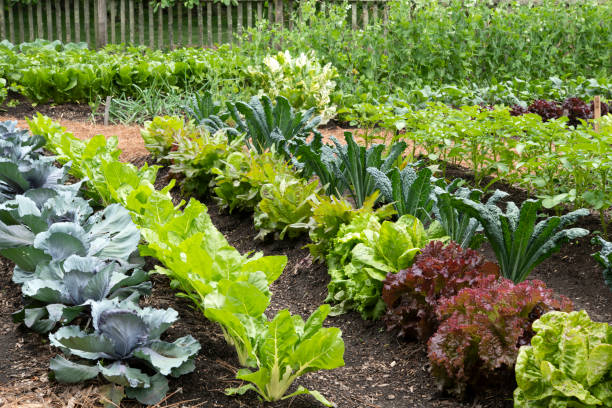
After setting up a beautiful, functional indoor-outdoor dining area, you must make a schedule for seasonal garden maintenance. This schedule ensures your dining area stays functional and visually appealing all year round.
| Spring | Clean up the garden, prepare the soil for a new planting season, and plant new seeds |
| Summer | Be smart with your summer watering schedule. Aim for deep watering over constant, shallow watering that leads to waterlogging. Fertilize the soil and remove weeds from the plants. |
| Autumn | Harvest ripe fruits and green vegetables. Follow autumn harvest tips for bountiful harvests: – Add mulch to the soil – Pick and pluck in the morning when it’s dry – Store your harvest properly in cool, dry areas |
| Winter | For winter garden care, prepare for the frost and winterize your garden. Cover your vegetables with a breathable material Add blankets to the furniture for coziness |
Conclusion: Garden-to-Table Kitchen Styling Creates Comfort and Functionality
Now, you have all the tools to transform your daily meals into memorable experiences with your garden-to-table outdoor dining setup.
This guide covered how to set up a garden-to-table kitchen styling, highlighted its benefits, detailed the basics of a farmhouse vegetable garden layout, seamless transitions, and accessories for coziness.
You can also bring some of your gardening into the dining area by using the potted citrus plant corner styling tips explained above, and tie your layout with a neat bow of integration techniques.
Each action is a careful choice towards blending two home areas into a wholesome indoor-outdoor dining area.


1 thought on “How to Set Up a DIY Garden-to-Table Space with Cozy Touches: From Kitchen Styling to Outdoor Dining”