
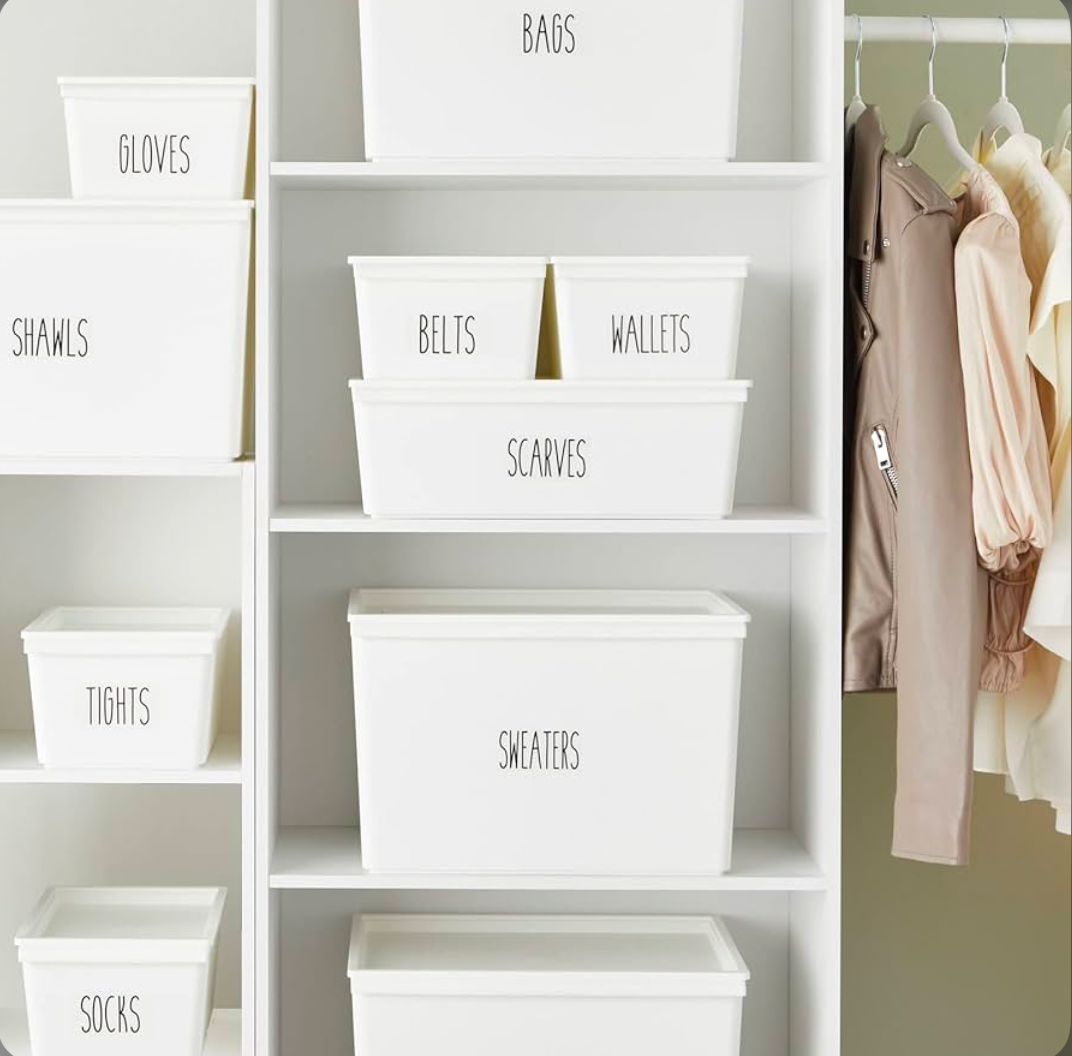
As your wardrobe grows, so do your closet organization needs, and that’s why you need labels to keep track of every item. Tagging each collection is an aesthetically pleasing way to organize your closet because it gives you easy access to items, keeping the space tidy for a long time.
For efficient closet planning, you need to understand your specific closet needs based on the items you have, your wardrobe habits, and usage frequency.
When you categorize clothing items, you need to consider daily use, seasonal use, and size to design a natural and intuitive structure. In this guide, you’ll learn some practical wardrobe assessment tips to ensure you make the best labelling system for organization, starting with space management.
Explore Label Types and Materials That Fit Your Space
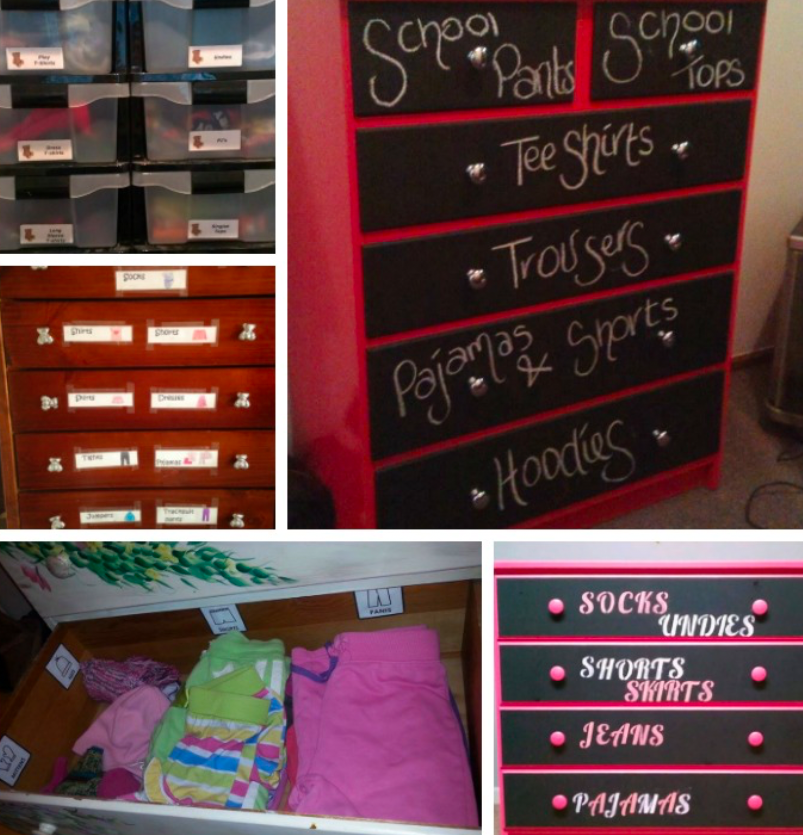
Explore as many closet label materials as possible to find the best fit for your space. There are diverse options, from printed labels to vinyl decals, chalkboard tags, and moisture-resistant plastics, each with its own advantages and disadvantages. So let’s review some of them.
Handwritten Labels
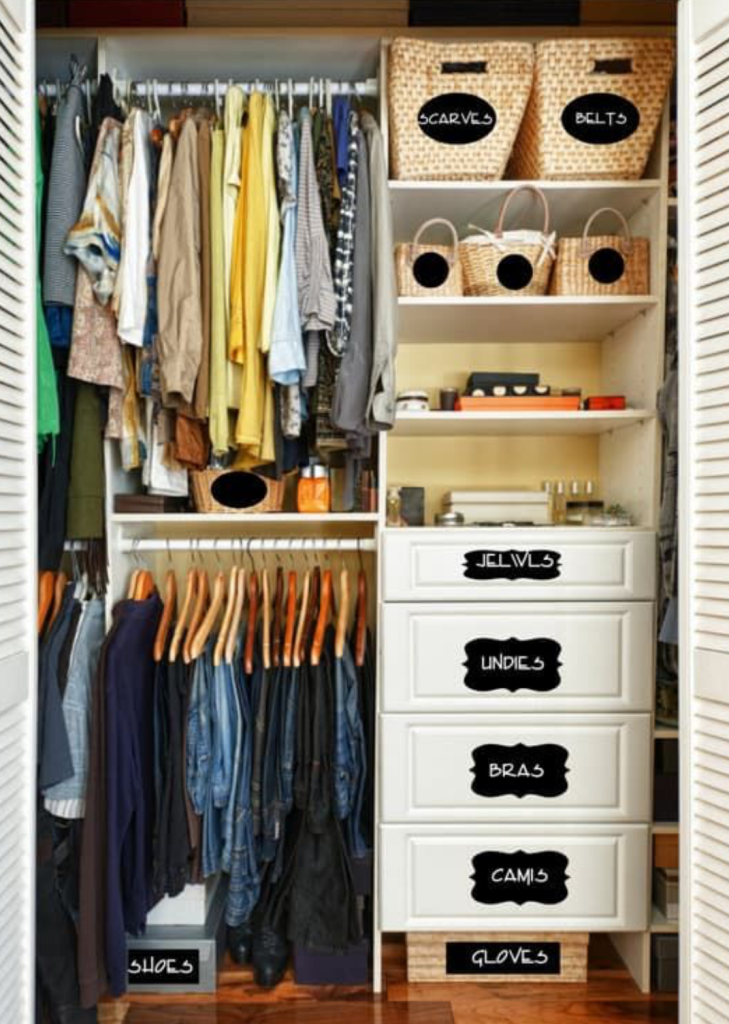
Handwritten labels on closet boxes add a personal touch to the space. Vinyl and chalk labels offer versatility because you can easily write on a vinyl board, stick it with adhesive, then erase it at will.
They’re great for tagging specific items and give your closet a sleek look when you want to upgrade from a simple handwritten style.
Printed Labels
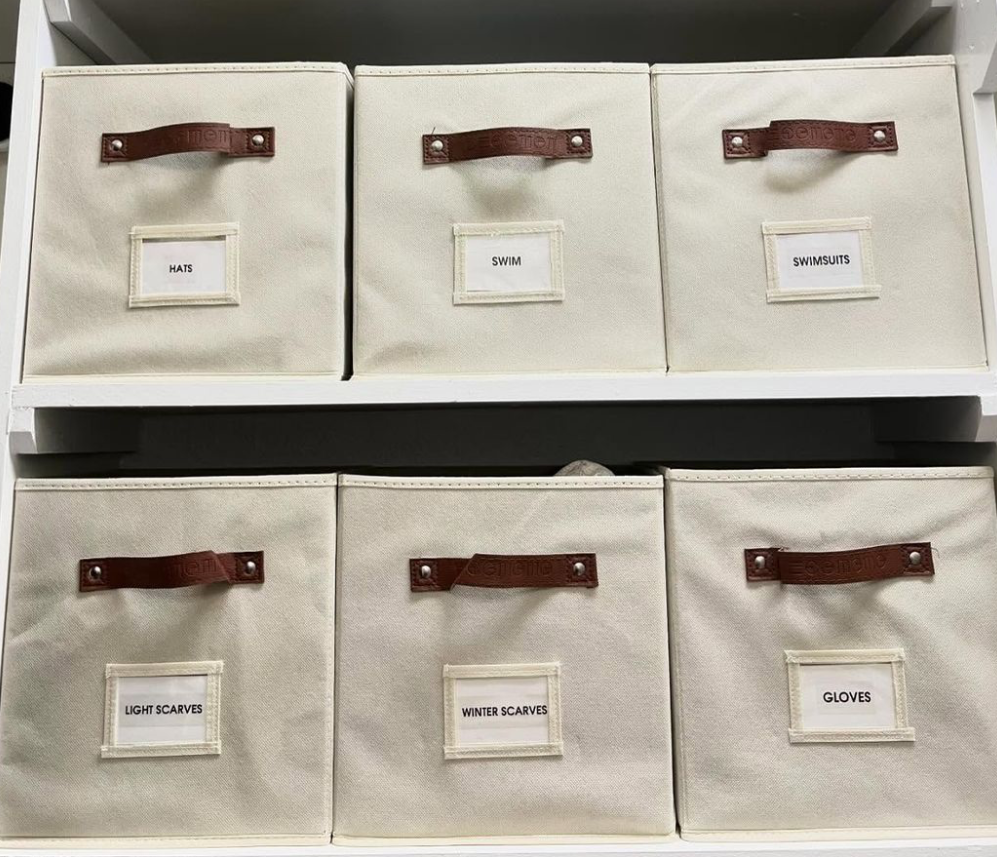
For durable label options, upgrade your papers and cardstocks with lamination and embossing. They’re suitable for more professional closets and last longer than most other materials.
Aesthetic Labels
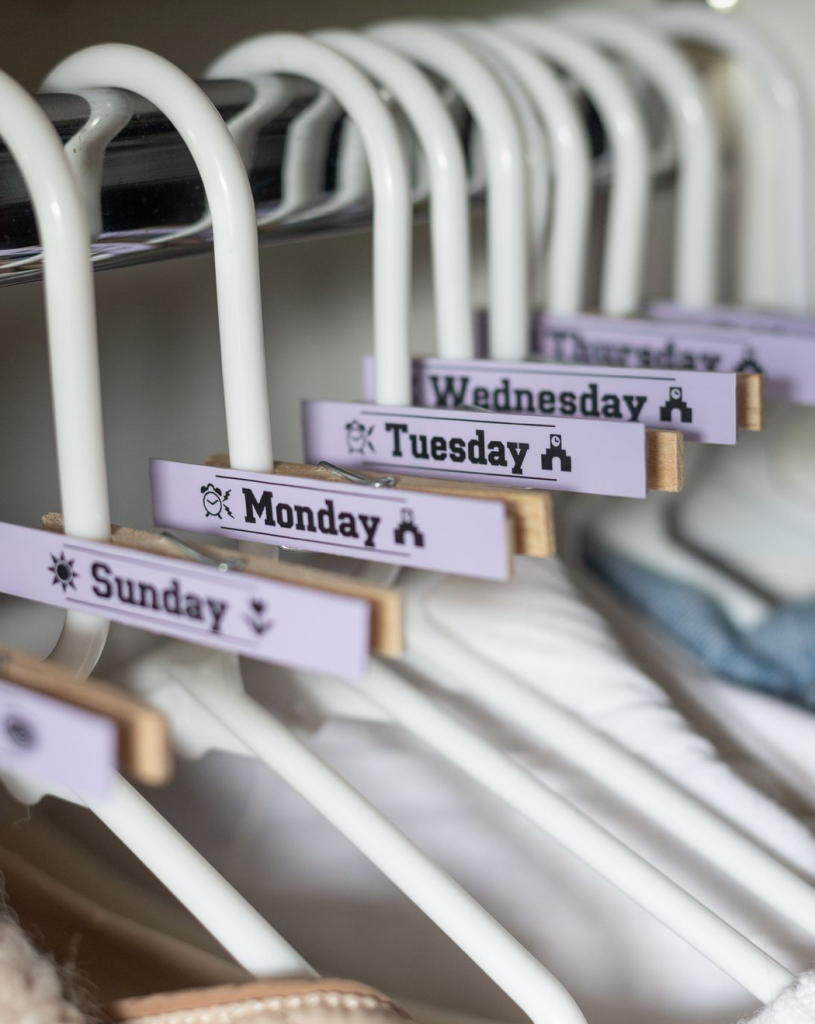
You can turn basic materials into aesthetic closet labels depending on your execution. Use a gel or colored pen for handwritten labels; customize your vinyl or paper labels; use colored chalk for your chalkboards; or use decorative clip-on tags.
Choosing the right material blends function with style for a long-lasting closet order, so be smart with your creativity.
Creative DIY Labeling Ideas on a Budget
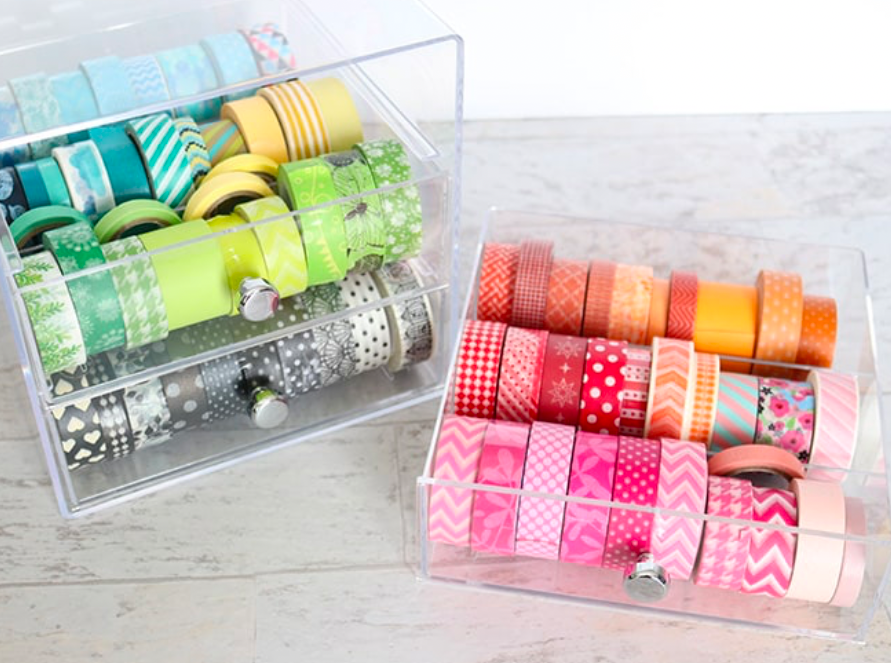
If you’re low on cash, you can use these budget-friendly labeling tips to tag your closet without breaking the bank.
Simple DIY closet labels like washi tapes, printable templates, recycled items, and handcrafted tags work well. Recycle items like old book pages, cardboard boxes, and fabric scraps, and decorate them with markers, ink pads, or paints. You can attach your handmade label with twine or adhesive.
Incorporating these creative organization ideas into your closet adds personality while keeping the project cost-effective. If you can’t decide between simple handmade storage tags and ready-made labels, here’s a comparison of both designs to help you.
Choosing Between Ready-Made Labels and Custom Designs
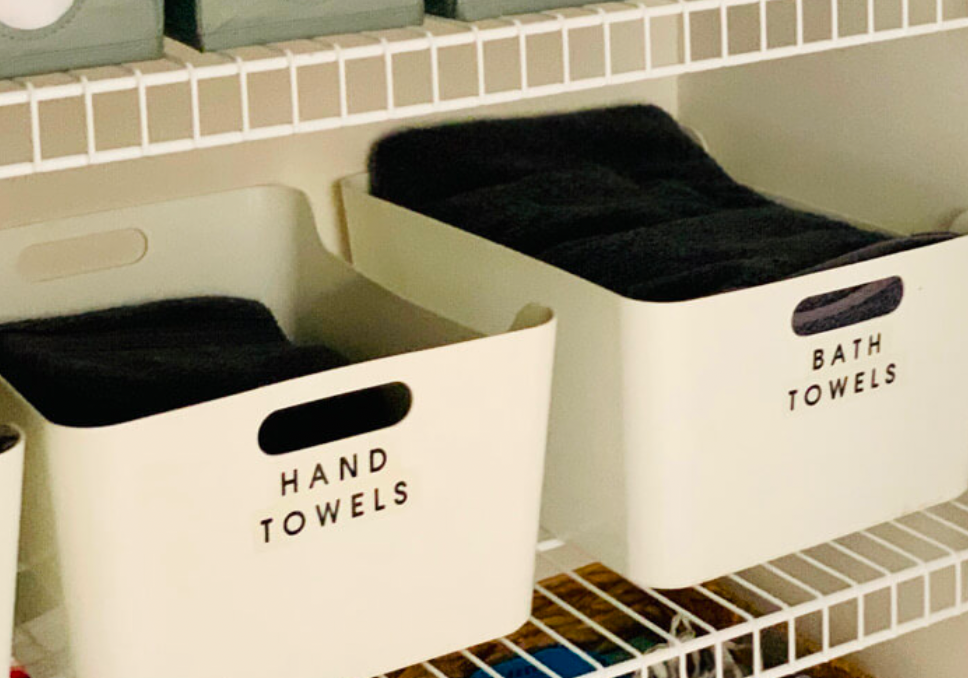
When making closet labeling choices, you may get stuck choosing between pre-made labels and customized closet styles.
Each option supports different goals, such as speed, consistency, personalization, and matching thematic decor. So, let’s help you make the right choice.
Pre-Made Labels
If you’re all about convenience, consistency, speed, theme-matching decor, and sleekness, then pre-made labels are your best bet. Every piece is the same, and you can easily attach them to your closet without any extra prep.
Custom Closet Labels
For greater flexibility and personalization, make custom closet labels from recycled DIY crafts, handwritten chalkboards, or old book pages. You can swap the labels on boxes and closet sections at will, unlike with pre-made labels.
Although custom closet labels are better for personalized organization, you can also use a pre-made label to match your theme. So, the decision depends on your needs and preferences.
Step-by-Step Plan for Setting Up an Effective Label System
Here’s a step-by-step guide on how to set up your labeling system.
Step 1: Declutter
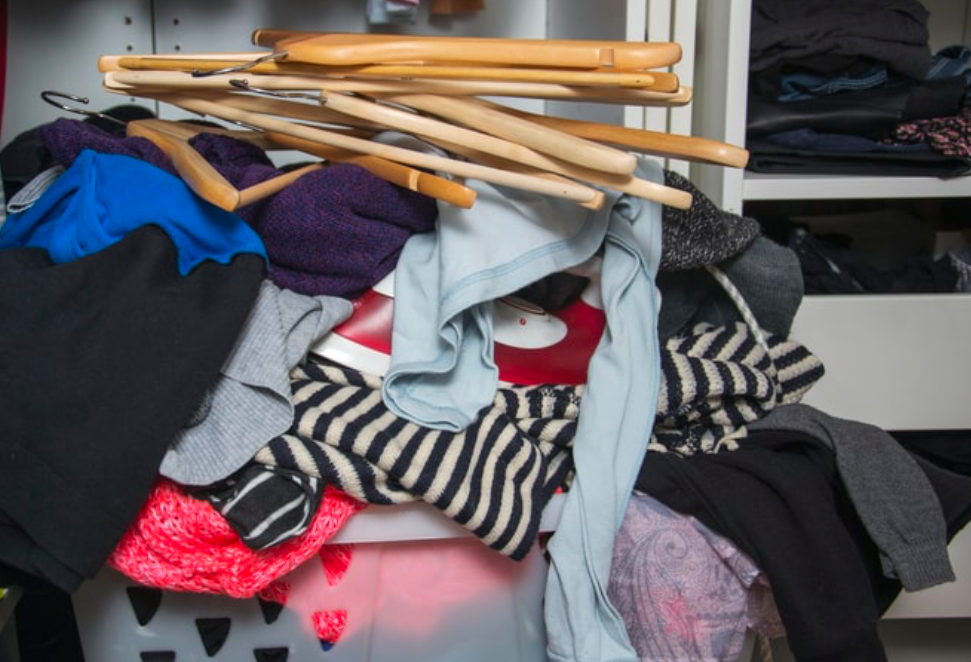
First, declutter and categorize your closet items to give you perspective on what you need. It’ll help you understand your available space and which clothing pieces need organization.
Step 2: Sort
Sort your decluttered items to determine where each group goes and how you want to arrange your clothes. Here’s where you decide your filing system from categories to subcategories.
You can organize your clothes by usage, such as daily-use and seasonal-use, or by type, like shirts, pants, jackets, accessories, and the like.
Step 3: Placement
Thirdly, organize and label your closet based on the system you choose, whether it’s bins, baskets, dividers, or shelves. Tag your zones and boxes with your preferred labeling method, then place them in a functional, aesthetically pleasing arrangement where you can access all levels or zones without messing up the system.
Step 4: Alignment
Align your labels for a professional look. You can choose between a center, right, or left alignment, but stay consistent.
When going through these closet-labeling steps, you must be clear about what you want so you can create a consistent system with proper positioning for optimal daily use.
Keep Your Labeled Closet Neat with Simple Maintenance Habits
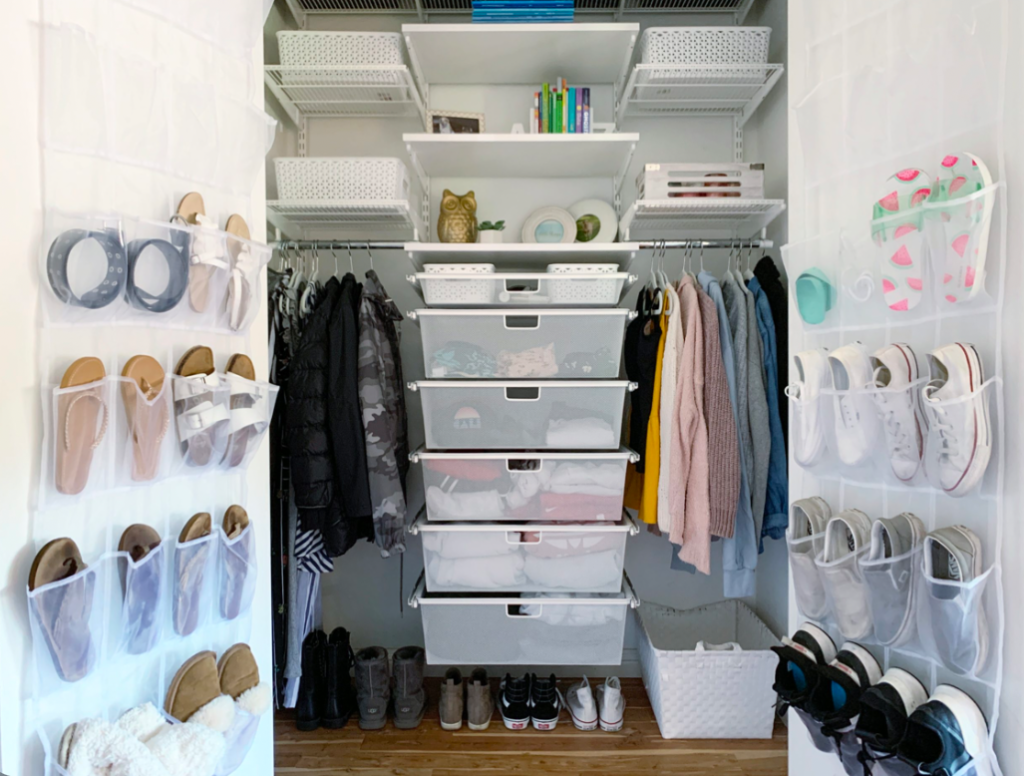
Your efforts to keep an organized closet by labeling only last long when you follow these closet maintenance tips. Because if you neglect your closet, it’ll fall back to the disorganized clutter it was before you improved it. So, let’s work towards long-term organization.
Create a tidy closet routine that includes weekly reorganization, seasonal reviews, and occasional relabeling to help maintain long-term order. Set auto-relabeling reminders to reorganize your closet seasonally. Once you build this habit, you’ll keep your closet clean and clutter-free.
Practical Tips for Staying Organized Across Every Season
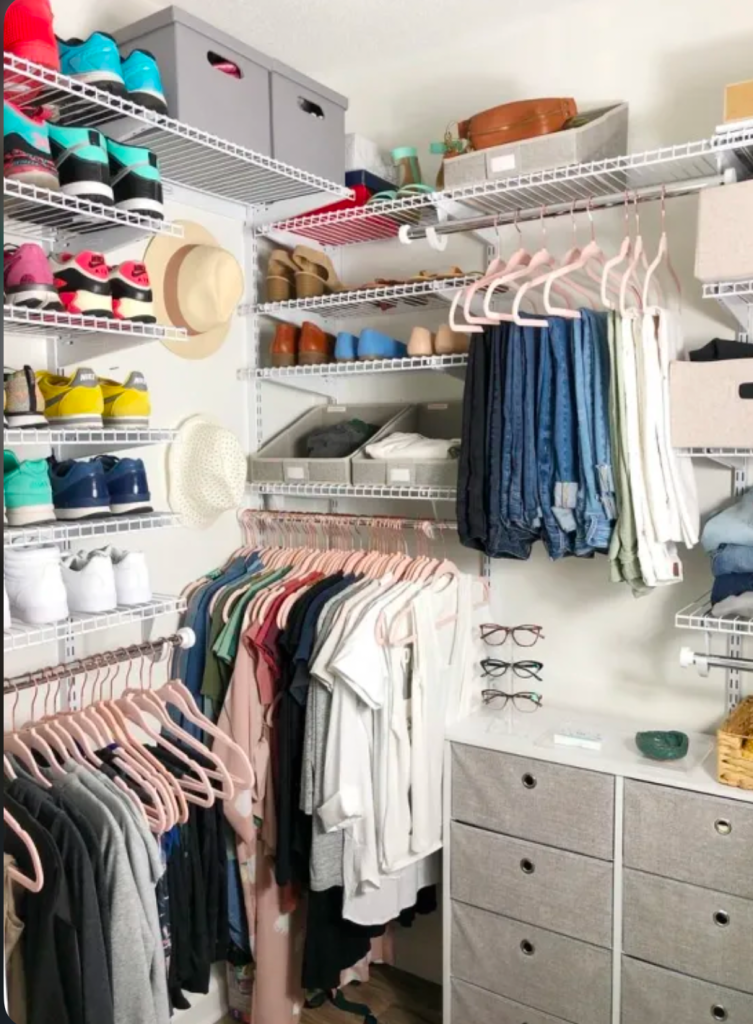
Part of cultivating long-term closet habits is reorganizing your system every season to reflect your new daily routine.
Here are some seasonal wardrobe tips for labeled sections to simplify wardrobe changes throughout the year.
- Repair and update your labeled storage solutions to keep them looking tidy and beautiful. Repair or replace broken bins.
- Create donation zones for clothes you no longer need or want.
- Adopt a clothing rotation system to make reorganization easier every season. You can move your sweaters and coats forward during fall and winter, while the summer dresses, shorts, and shirts move to the back.
Transform Daily Routines with Smarter Labeling Techniques
At this point, you should understand how smart labeling benefits you, but if you don’t, here’s a recap.
Having well-placed labels reduces decision fatigue, speeding up and improving morning routines. You also create an organized lifestyle where choosing and caring for your clothes is a mindful process.
Finally, it’s the best option for efficient closet use, especially in a compact space.
Wrapping Up: Build a Label System That Supports Daily Life
As we close this smart closet system guide, the singular rule is to always blend function with style. This guide offers enough organized wardrobe tips to help you keep your wardrobe in order and maintain a tidy, organized space for the long term.
With a thoughtful, simple labeling strategy backed by a clear purpose, you’ll improve your quality of life. This stress-free organization saves time when picking clothes during your morning routine, keeps your space visually organized, and maximizes closet space.
So, upgrade your closet system today with smart labeling to bring a long-lasting calm and efficient vibe into your life.

